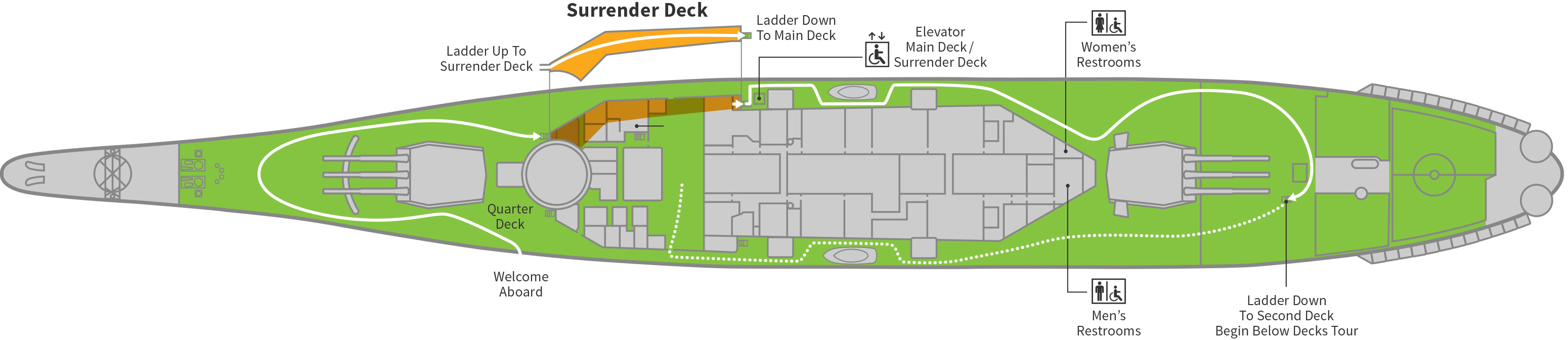
map
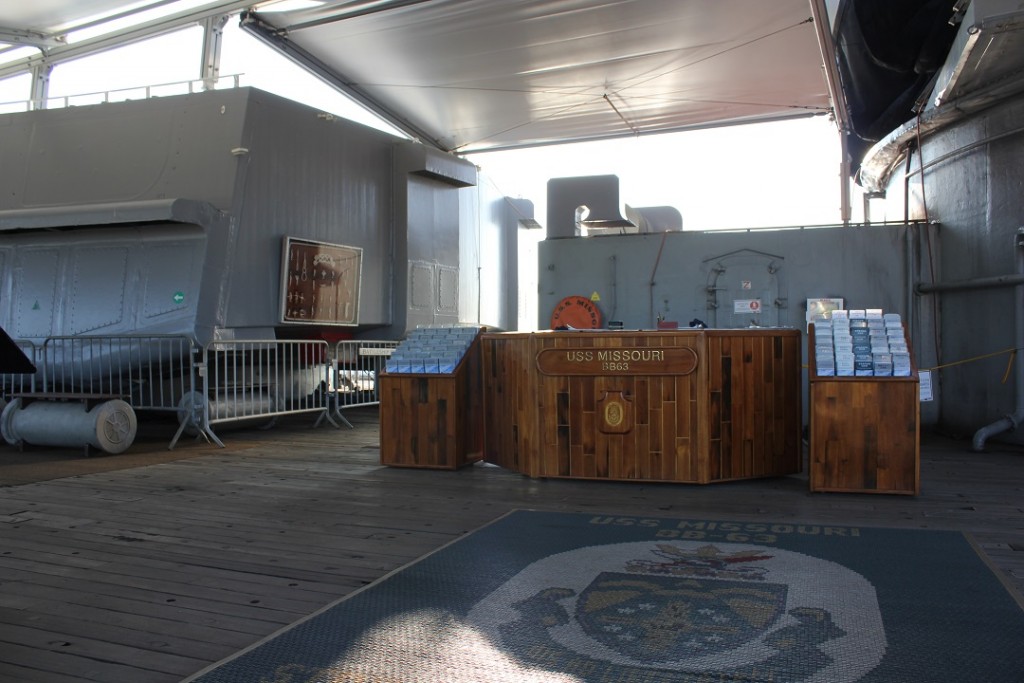
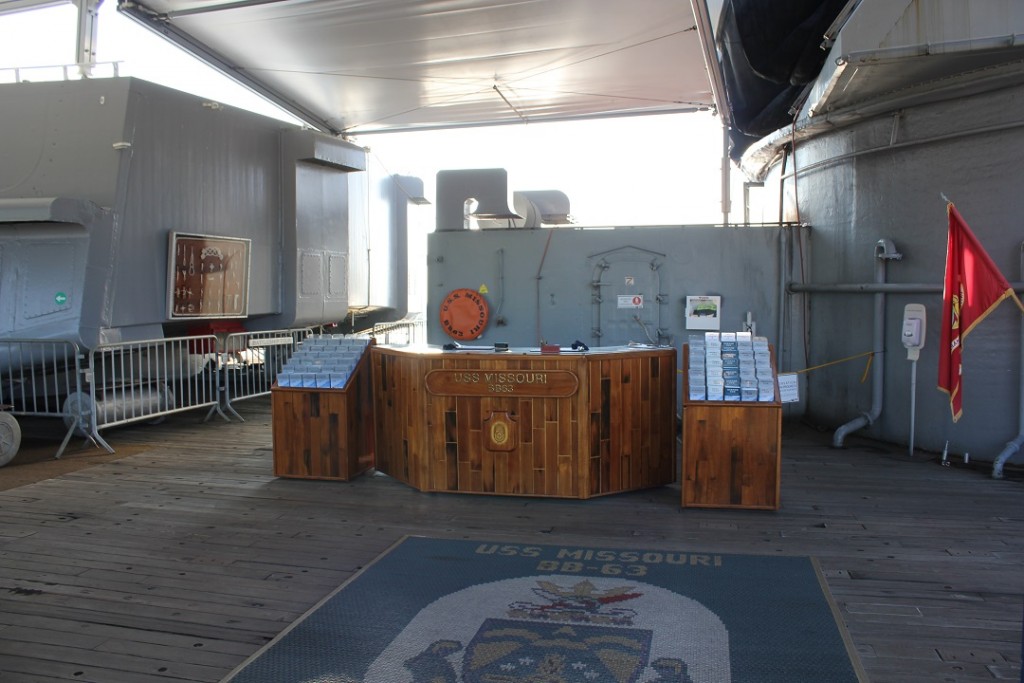
  • Quarter Deck

    Welcome aboard!

    Aboard Navy ships, the quarterdeck is a place of special tradition, honor and respect. It serves as the point of access to Navy ships in port and the ceremonial command center of the ship.

    The term quarter-deck comes from the days of sail where it was used to describe the elevated stern quarter of the deck, where officers supervised and directed the activities of the crew.

    The USS Missouri, one of four Iowa-class battleships, was the last actively serving battleship in the world and the biggest, fastest and most heavily armed battleship ever built by the United States.

    From bow to stern the Missouri is 887 feet 3 inches long (270m), that’s just shy of three American football fields in length!

    Walk the decks of history. Look down, right under your feet and you’ll see that you are standing on a teak wood deck. The Missouri has always had a teak deck over its steel main deck. Teak was chosen as a visual reminder of Naval tradition and for its durability, slip resistance, non-spark surface, and insulation of the spaces below.

    The USS Missouri Memorial Association is currently restoring the teak deck as part of its historic preservation efforts.

    Facebooktwitterpinterestlinkedin
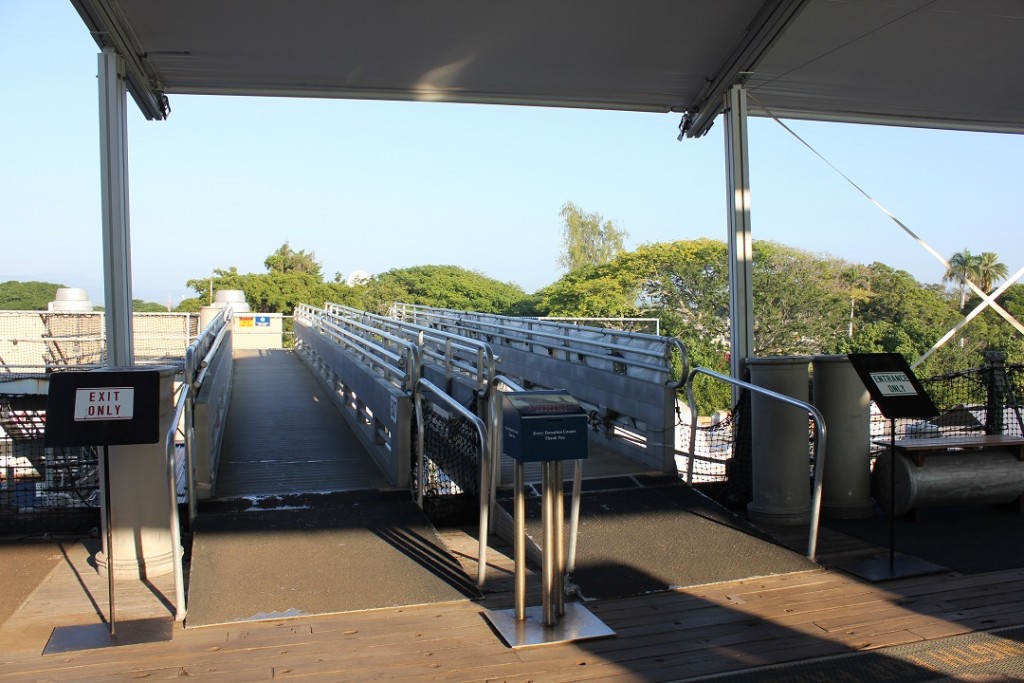
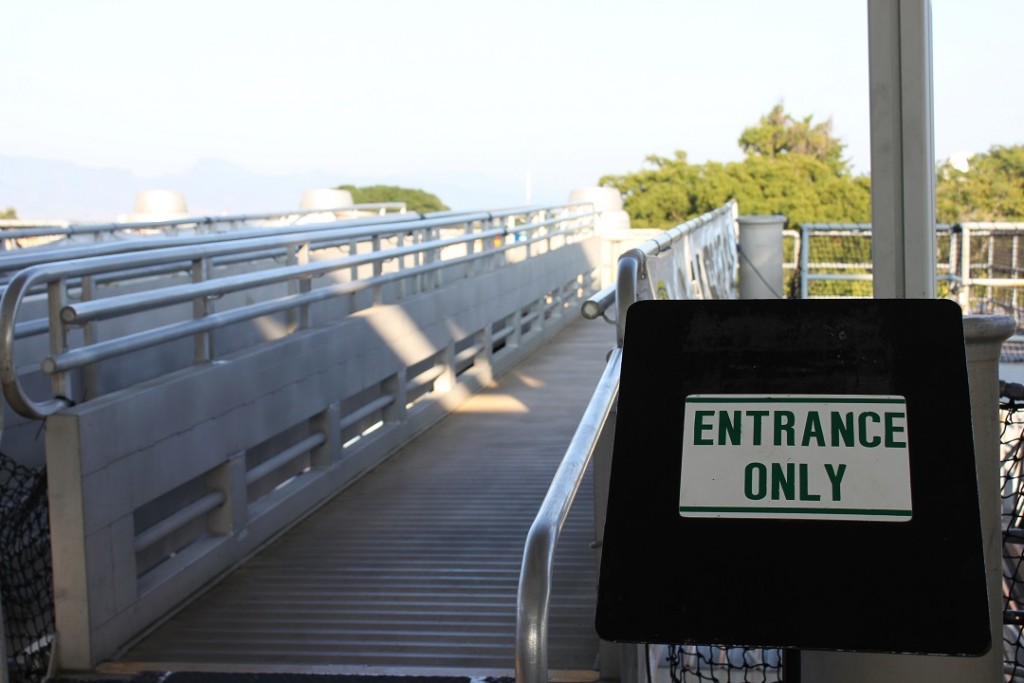
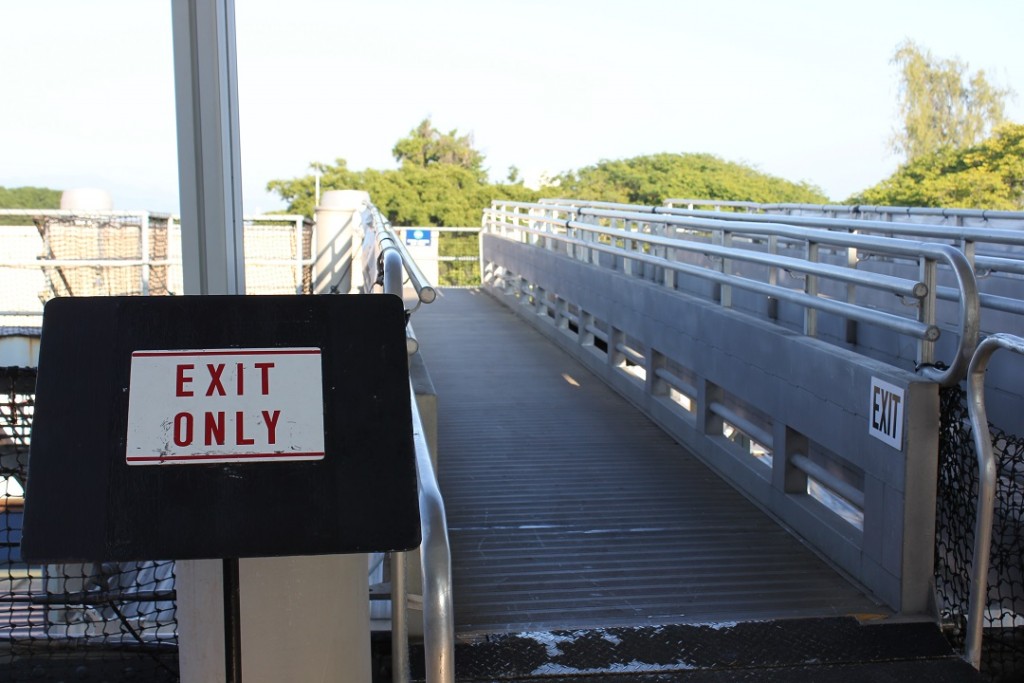
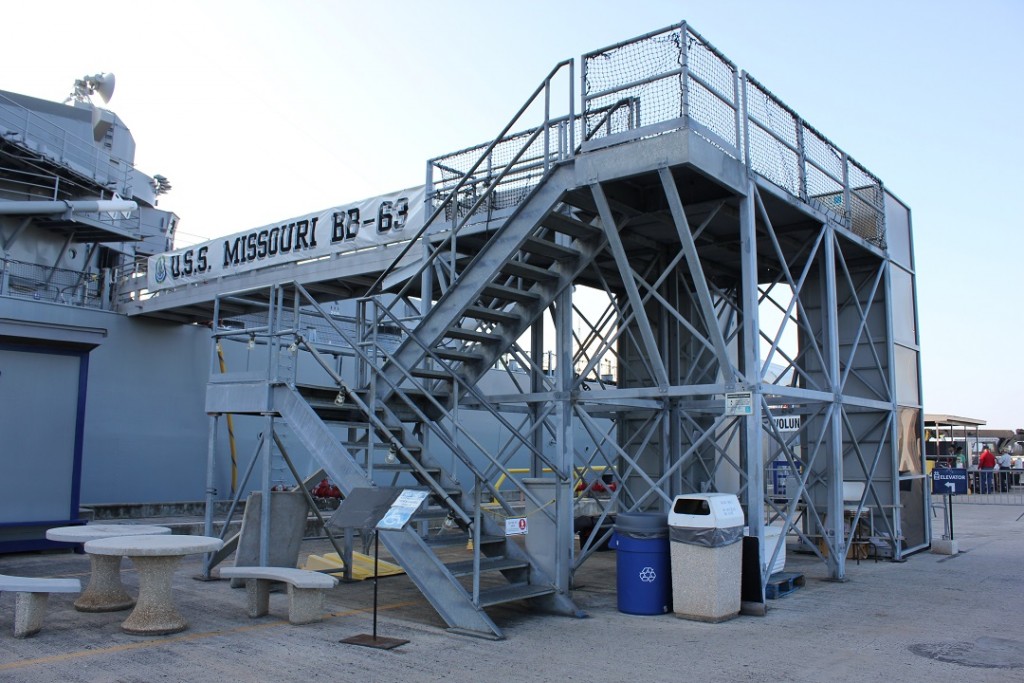
  • Entrance & Exit brow

    Facebooktwitterpinterestlinkedin
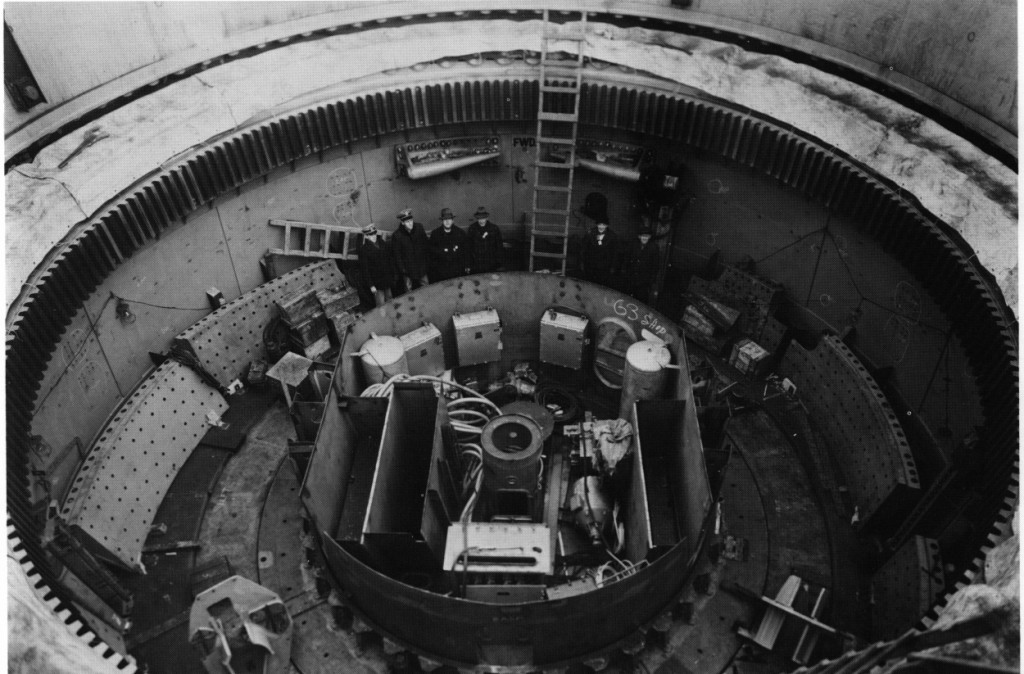
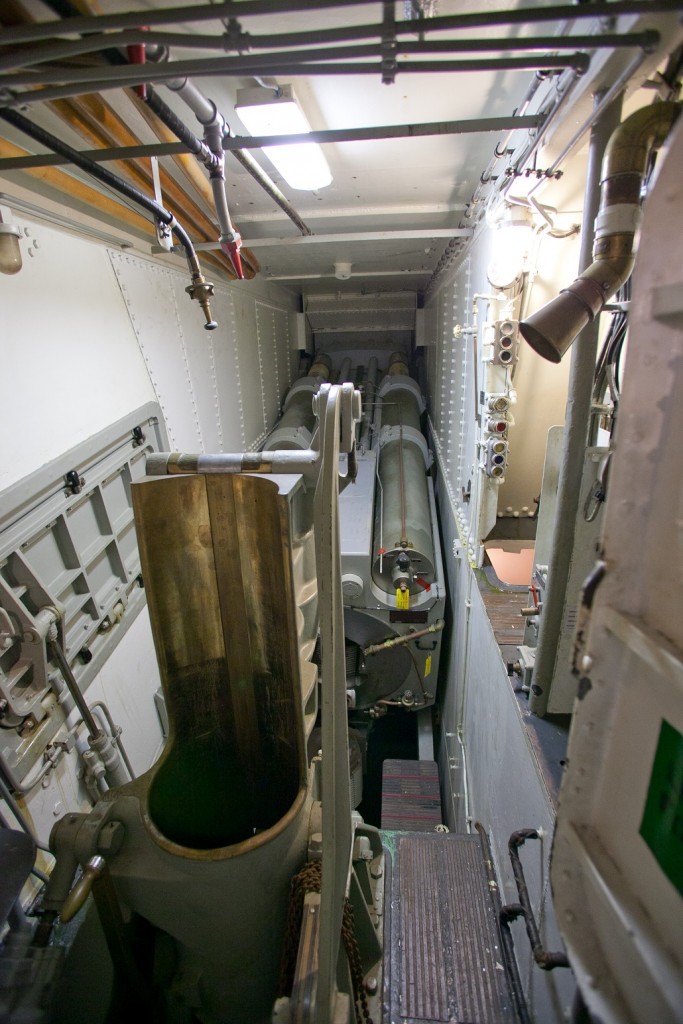
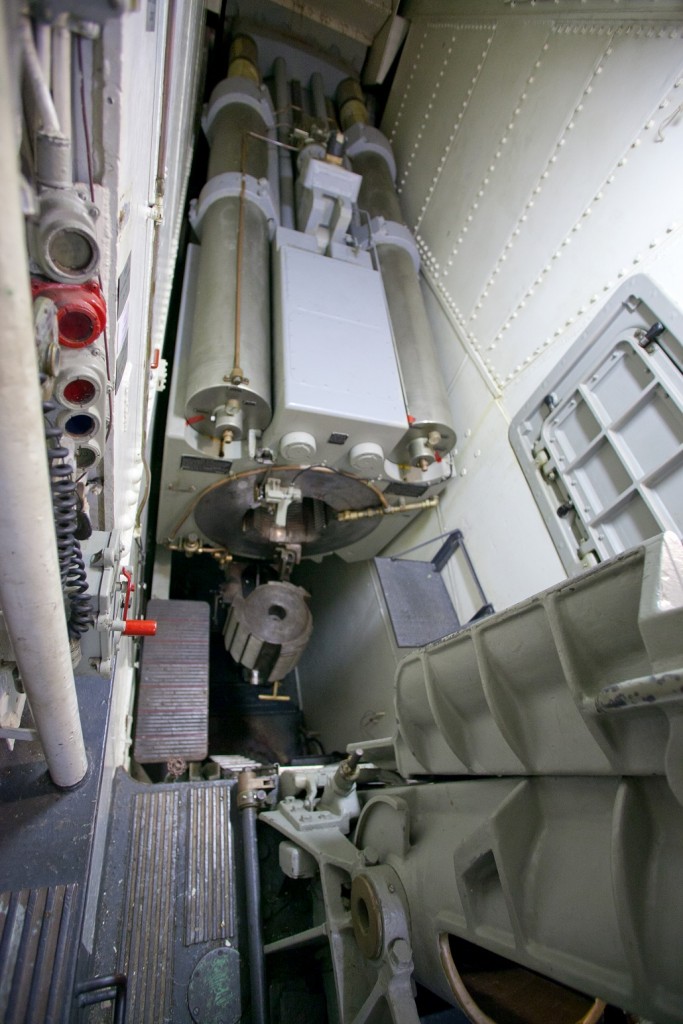
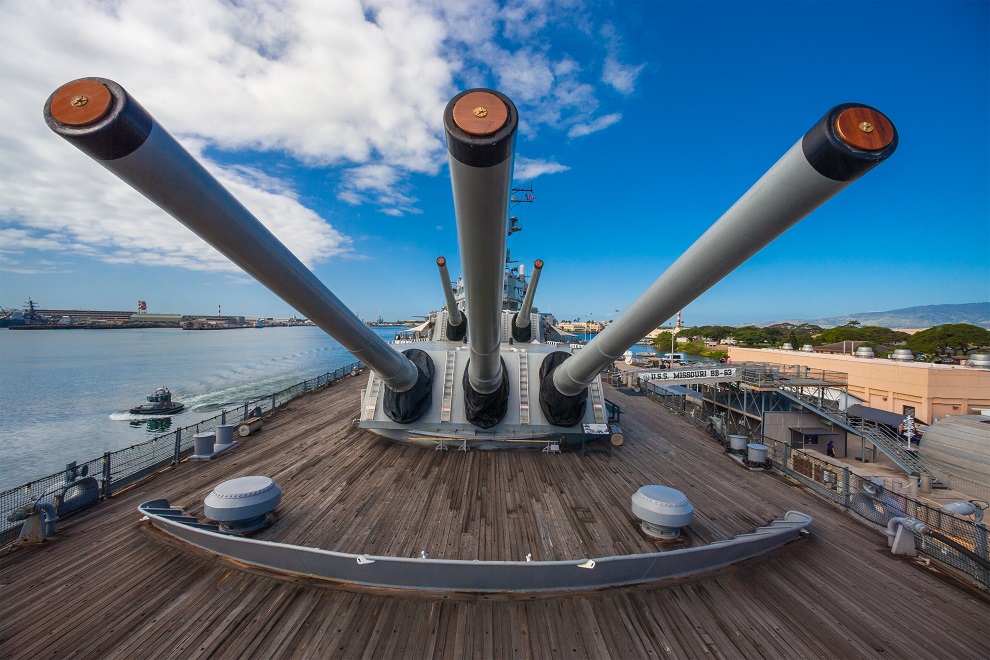
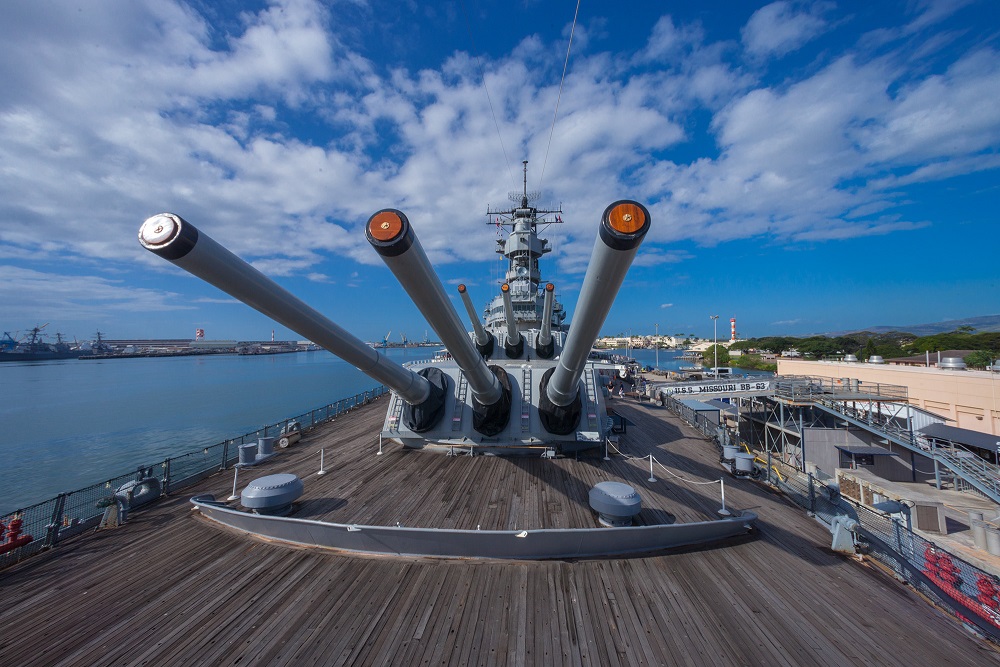
  • Main Battery Turret #1

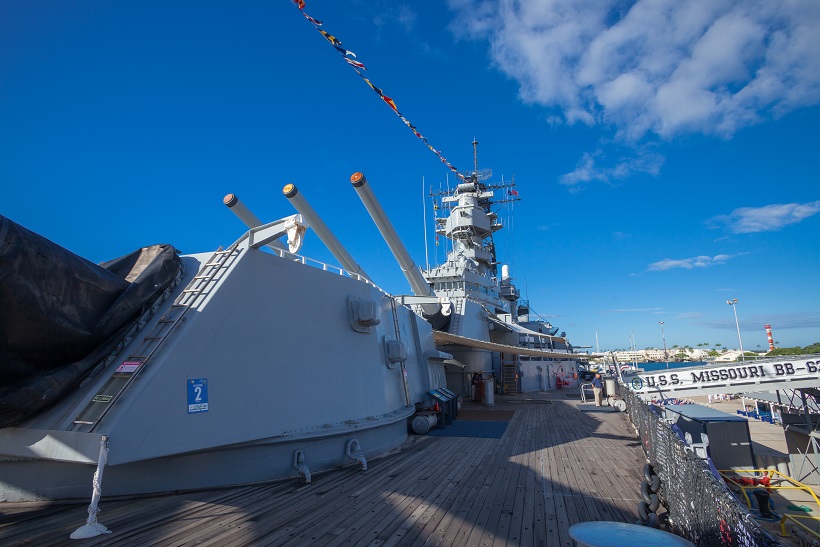
    The Main Battery of the Mighty Mo consists of three turrets, each with three guns, for a total of nine 16” (projectile diameter) / 50 caliber guns. Each barrel is capable of targeting and firing independently, in a variety of combinations or a full broadside of all nine guns firing simultaneously. Ammunition consists of two types: 2,700lb., Armor Piercing (AP) and 1,900lb., High Capacity (HC) projectiles. The projectiles are fired using six gunpowder bags, each weighing 110lbs. (50kg). Loading the projectiles and gunpowder bags into the guns was accomplished by a system of elevators, hoists and hydraulic rammers.

    16”/50 Caliber Turret Statistics:
    Rate of fire: 2 rounds per minute, per gun
    Maximum range: 23 miles (37.01km)
    Maximum vertical ceiling: 35,811 feet (10,915m)
    Required crew to operate: 77-110 (average of 90), per turret

    DID YOU MO?: While the Missouri was more than capable of fighting against ships, she never engaged an enemy vessel.

    DID YOU MO?: Each turret, when fully loaded with ordnance, weighs more than 2,000 tons. That’s approximately the same weight as a WWII-era Fletcher-class destroyer. From top to bottom, each turret is between 50-60ft. (15-18m) tall.

    Facebooktwitterpinterestlinkedin
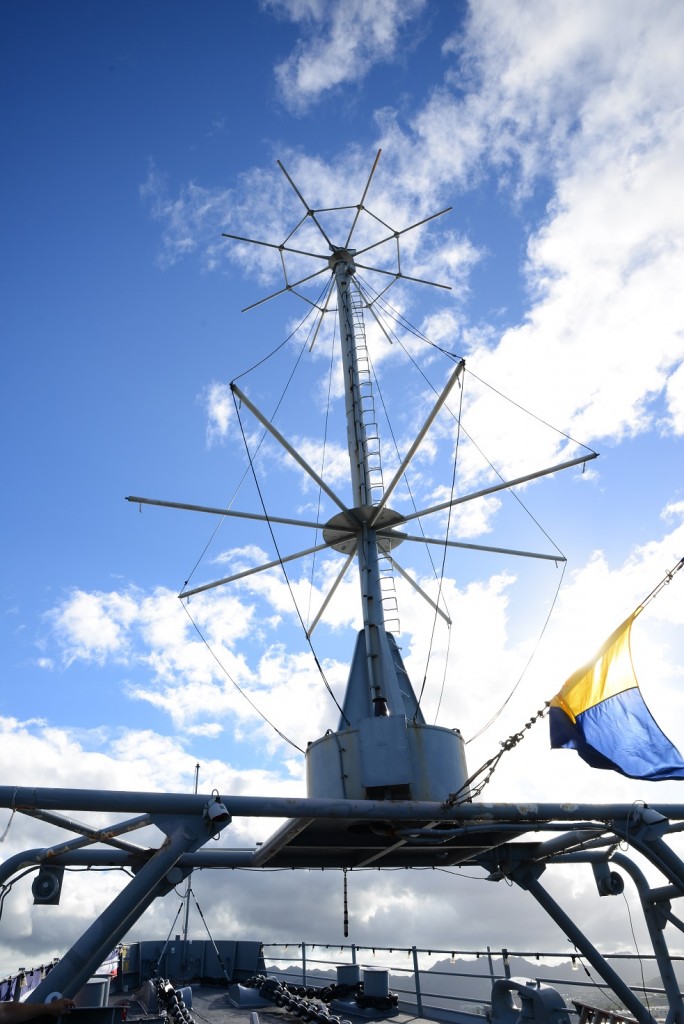
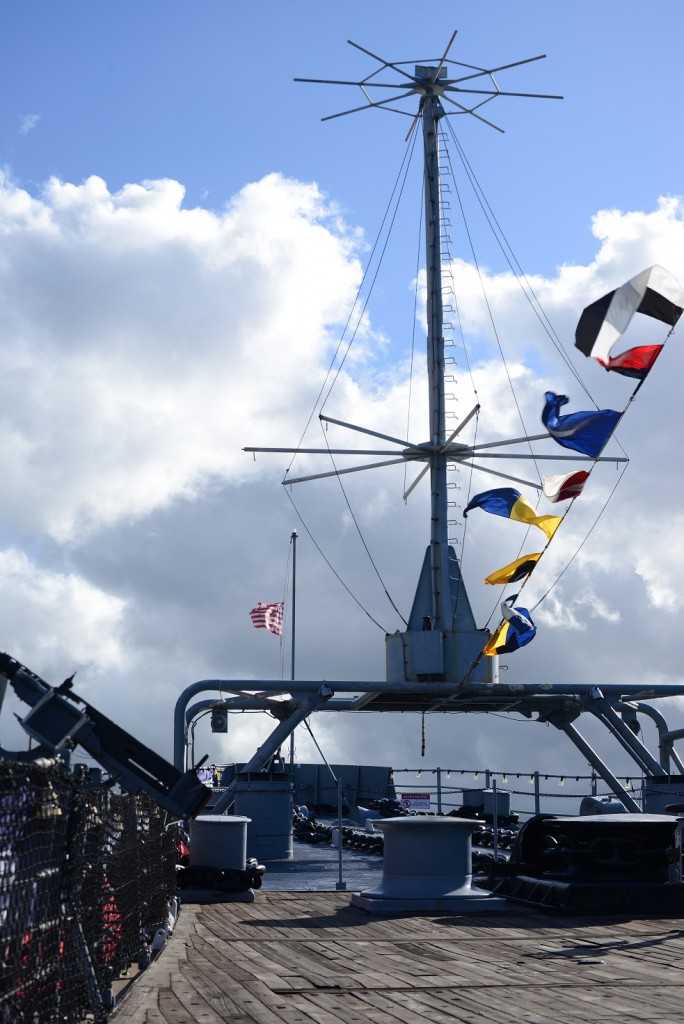
  • Bow & Discone Antenna

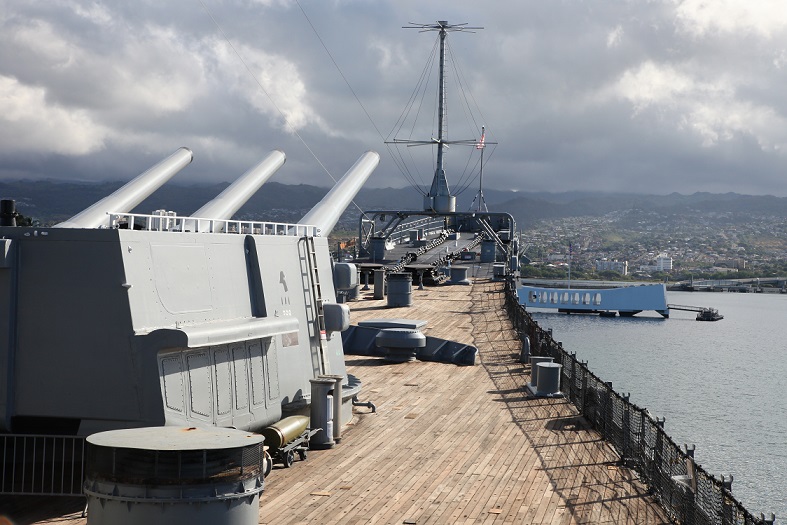
    Unlike other ships in the harbor, the Missouri is moored facing inland, her guns raised over the USS Arizona, watching over the fallen sailors still entombed inside her hull. These two historic ships, sitting bow to bow, symbolically represent the bookends of WWII for the United States. Sunday morning, December 7, 1941 marks America’s entry into World War II following the Japanese attack on Pearl Harbor. It was also a Sunday morning, September 2, 1945, aboard the decks of the USS Missouri in Tokyo Bay when World War II ended following the formal Surrender Ceremony. Peace was once again restored to the world.

    The large “Discone” antenna on the bow of the ship was inspired by World War II operational necessities, developed in the 1950’s and 60’s, installed aboard the Missouri during the 1980’s modernization and used extensively during Operation Desert Storm in 1991. The antenna provides a link to the Navy Tactical Data System, which in turn creates a consolidated data and communication network, linking all allied air, sea and land forces within an operational area.

    DID YOU MO?: The ship has two anchors, each weighs approximately 31,000lbs., (14,061kg) and has 1,000ft., (305m) of chain. Each chain link weighs a heavy 130lbs. (59kg).

    Facebooktwitterpinterestlinkedin
  • Wardroom & Officer’s Country

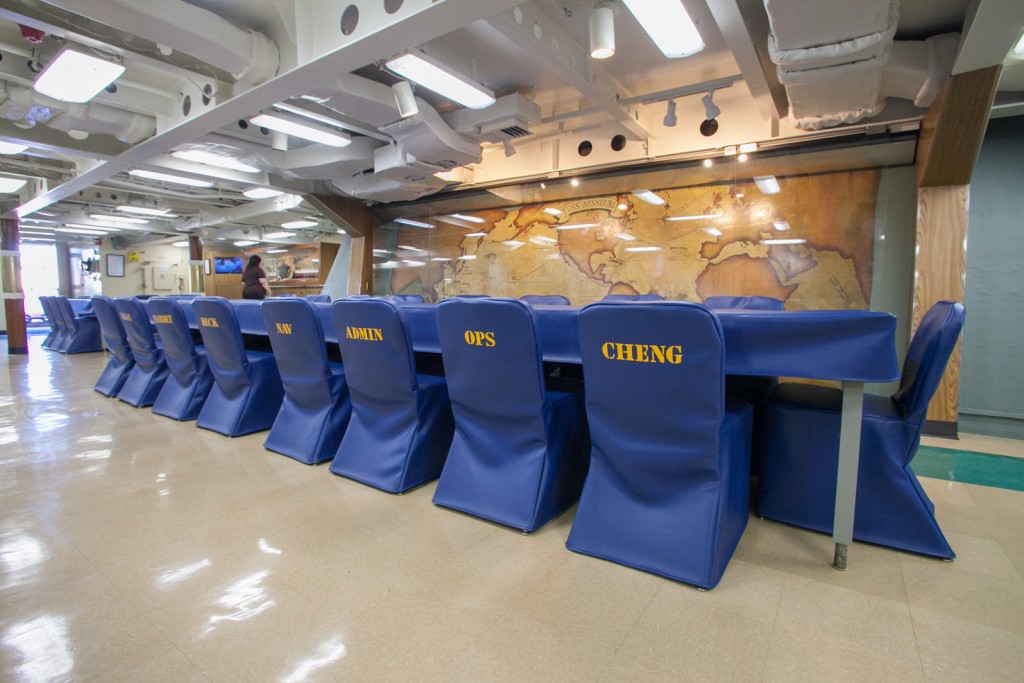
    You are standing in the Wardroom in Officer’s Country. This space was reserved for the ship’s officers, where they gathered and ate their meals. Enlisted crewmembers were not allowed into Officer’s Country or the Wardroom unless they were on official business or were directed to do so. This standard of conduct was designed to preserve the chain of command and to maintain proper order on board.

    The mural that you see before you was originally painted by members of the crew in 1945 while they were on their way home following the end of World War II. The mural was modified during each subsequent cruise, and later expanded to include the Middle East following her service in the region including Operation Desert Storm.

    The Association received a historic preservation award for its professional restoration of the mural in 2013.

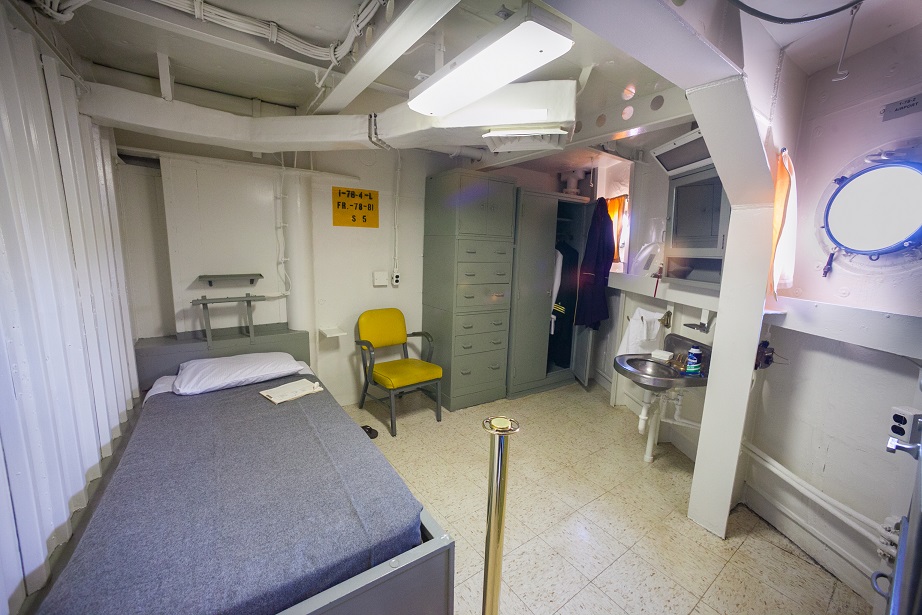
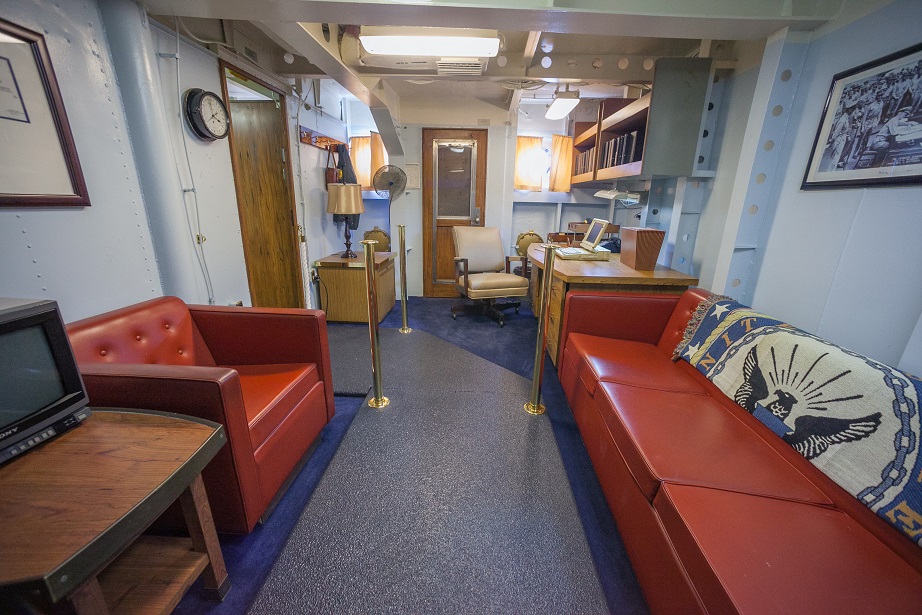
    The Officer’s Country staterooms forward of the Wardroom were reserved for department heads and other senior ranking officers aboard, including the Executive Officer (XO), who was second in command.

    DID YOU MO?: A wardroom gets its name from “hospital ward” because it was a readily available triage and treatment area during combat.

    Facebooktwitterpinterestlinkedin
  • Kamikaze Deck

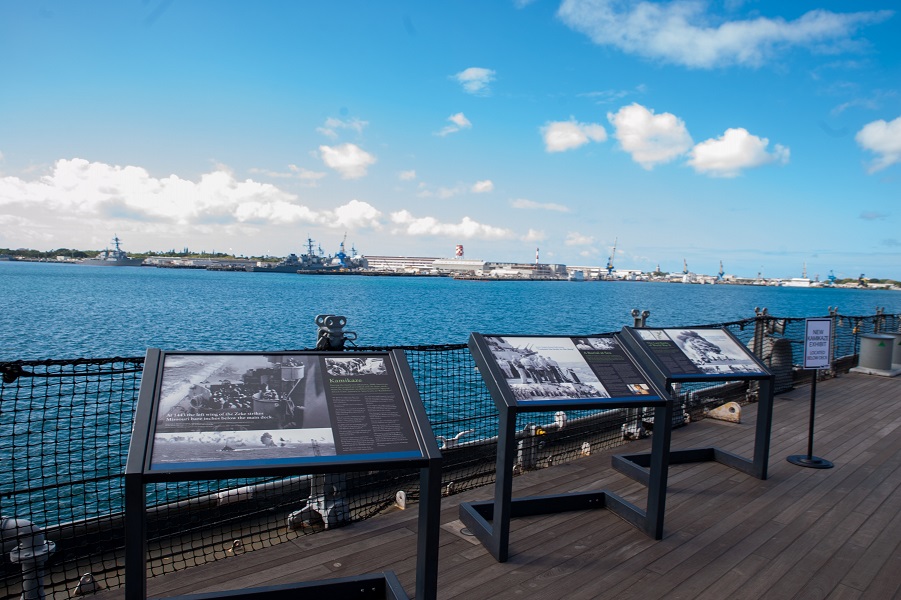
    On April 11, 1945 at 1443 (2:43 pm), a kamikaze plane struck the USS Missouri during the Battle for Okinawa. While fire erupted briefly, no bomb exploded and no crewmembers were seriously wounded. The body of the deceased pilot, believed to be Petty Officer 2nd Class Setsuo Ishino, was thrown onto the ship’s main deck and discovered among the wreckage by the crew. By order of Captain William Callaghan, he was given a military burial at sea the following day. The ship’s senior Chaplain presided over the service with a rifle salute fired by the Marine guard and the playing of “Taps,” before his body was commended to the deep under a Japanese flag.

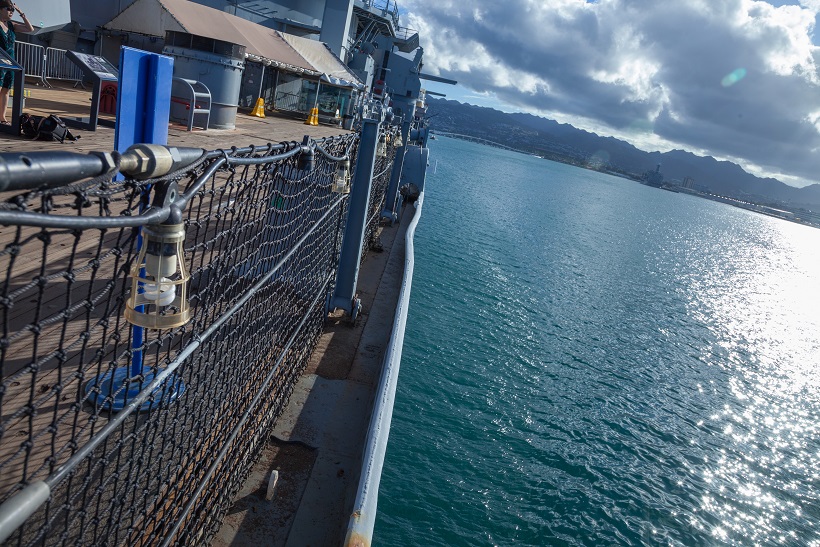
    Information from this event can be found on displays in this area. As you look over the rail, you can see several large dents left where the Japanese Zero struck the ship. The position of burial participants is also marked by footprints on the deck.

    DID YOU MO?: April 12, 1945 is the day that U.S. President Franklin Delano Roosevelt passed away as a result of a heart attack brought on by his polio. Vice President Harry Truman immediately took office and remained President until 1953.

    Facebooktwitterpinterestlinkedin
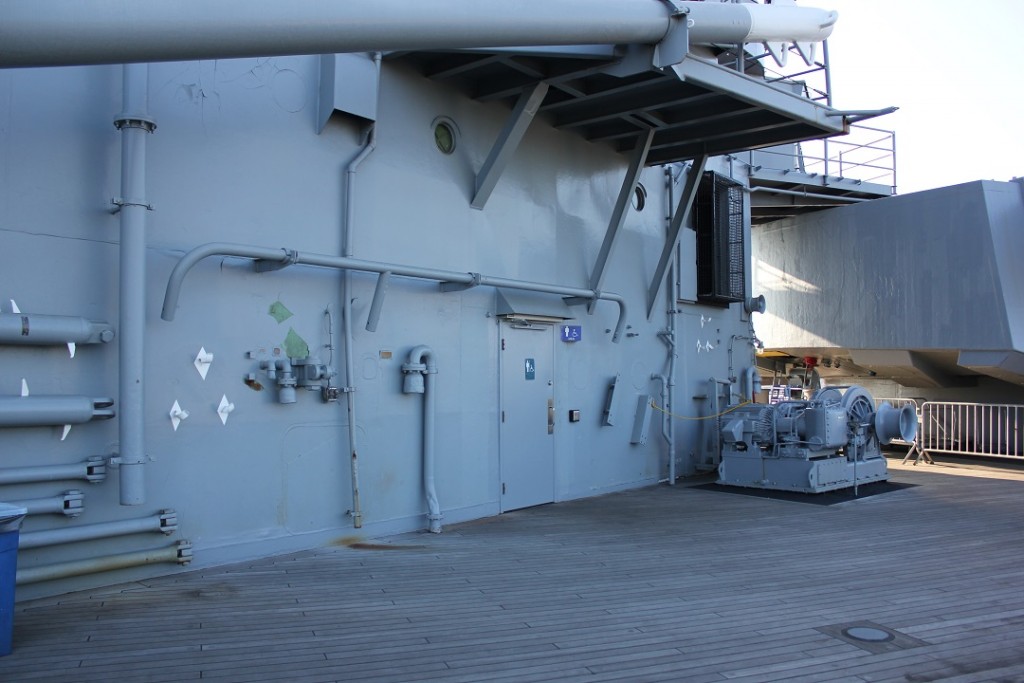
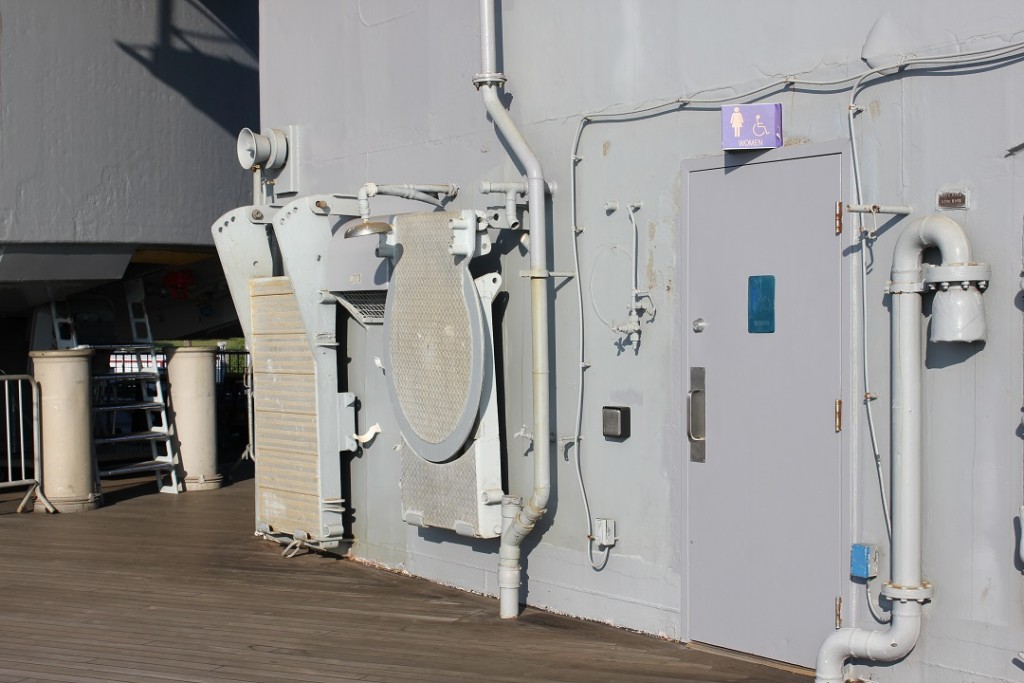
  • Restrooms

    Facebooktwitterpinterestlinkedin
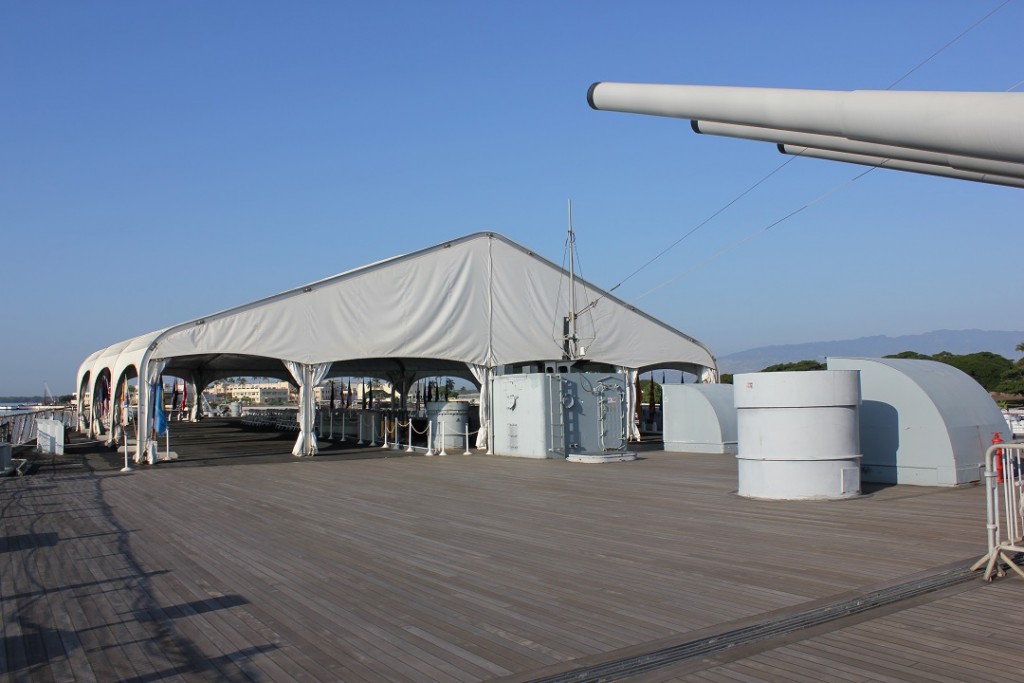
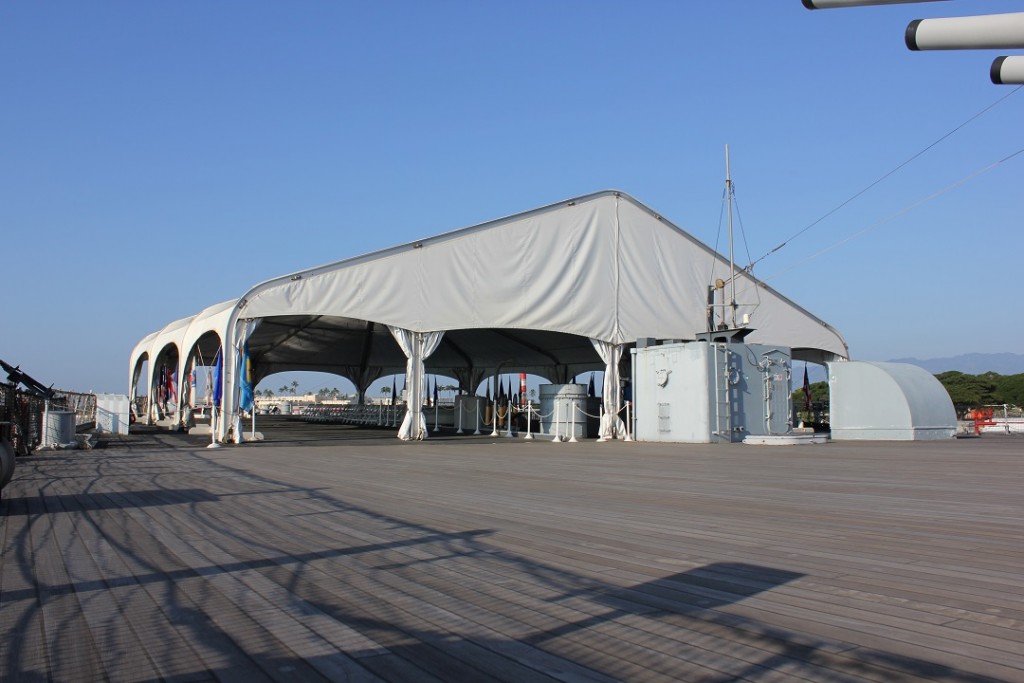
  • Fantail

    When the Missouri was launched in 1944, the fantail had two floatplane catapults used to launch scout planes. The floatplanes, originally the Vought OS2U Kingfisher, later the Curtiss SC-2 Seahawk, served primarily as spotters to confirm target positions and accuracy of main battery gunfire. When they returned, they landed in the water near the ship and were hoisted back aboard using a small crane. By 1949 the catapults were removed and replaced by a helicopter landing pad, which was later modernized when the ship was reactivated in 1986. Currently the fantail and flight deck hosts formal military ceremonies and private evening events.
    DID YOU MO?: Remotely Piloted Vehicles (RPV’s), also known today as UAVs (unmanned aerial vehicles) were launched from the fantail during Operation Desert Storm. These were the first drones ever used in combat and were “eyes in the sky” to observe enemy targets and spot and confirm accuracy of shore bombardments.
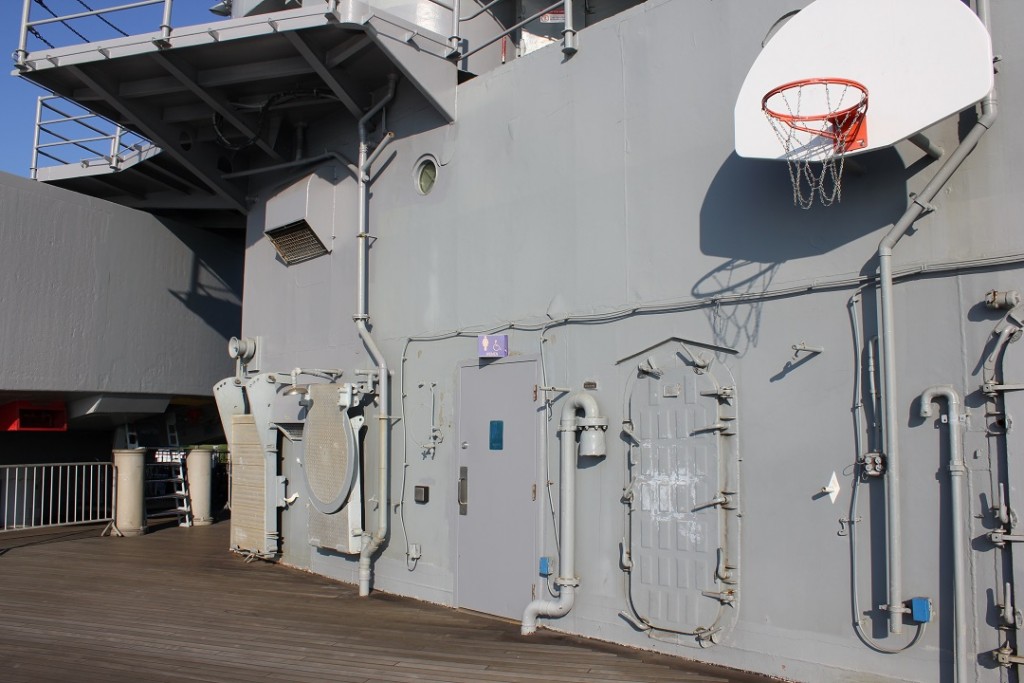
    DID YOU MO?: The fantail hosted the ship’s “Steel Beach” picnics – barbeques held while underway that helped build morale and camaraderie amongst the crew. Crewmembers could get some sun, play basketball and volleyball and indulge in some flame broiled chow.
    Facebooktwitterpinterestlinkedin
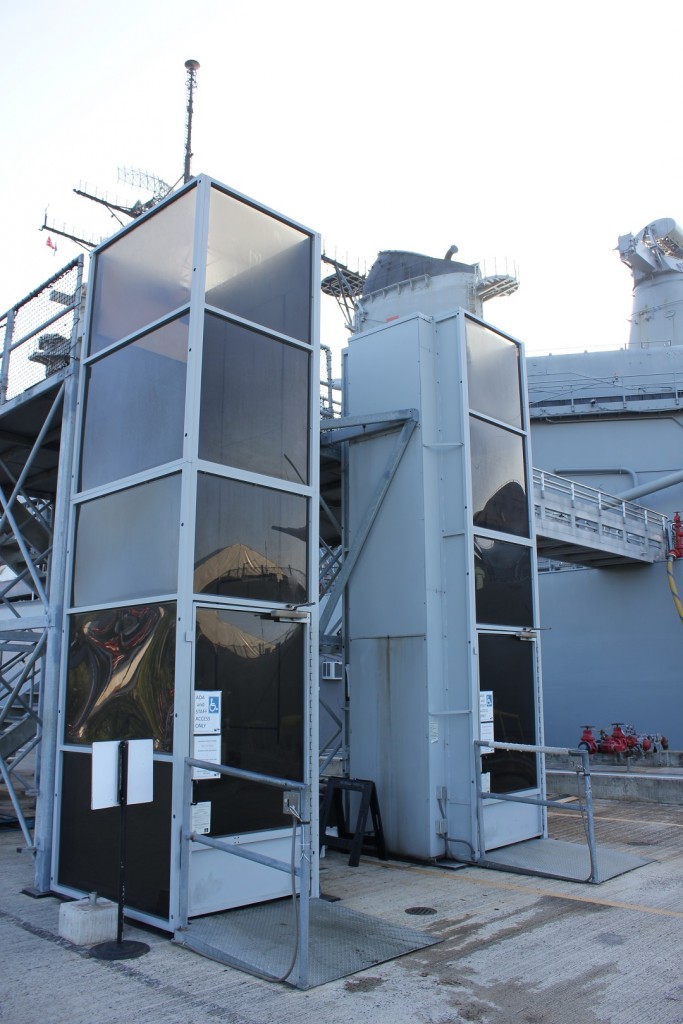
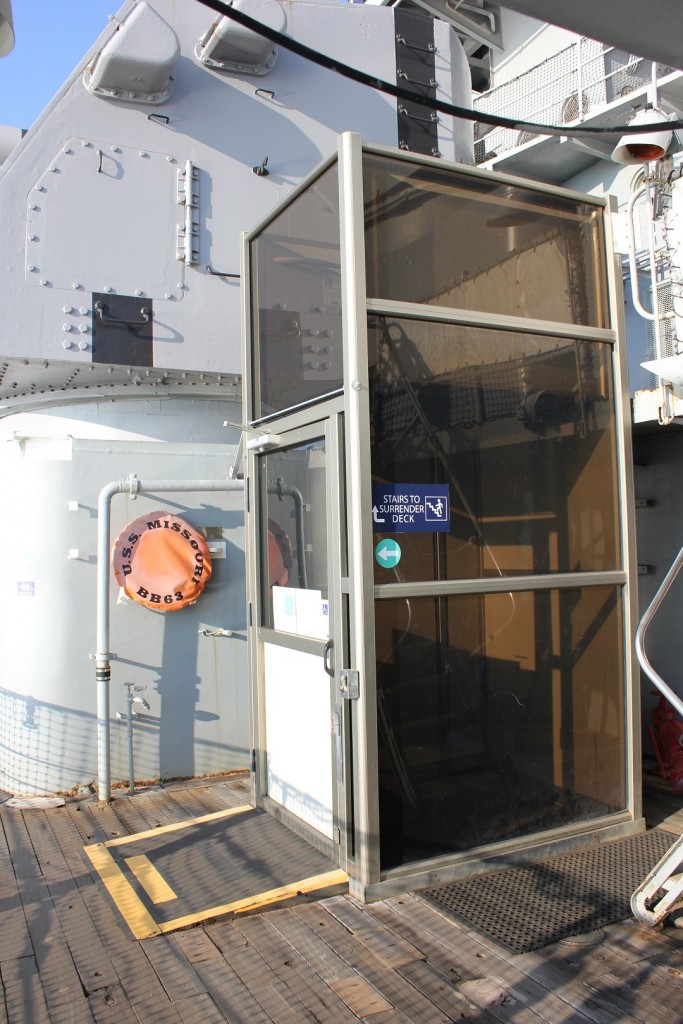
  • ADA Elevator

    Facebooktwitterpinterestlinkedin